
Top Oral Hygiene Topics That Spark Never-Ending DebateTop Oral Hygiene Topics That Spark Never-Ending Debate
Are you a stickler for brushing your teeth three times a day? Do you make sure to use the best electric toothbrush? Are you nit-picky about flossing every day? We’re here to tell you that you’re not alone. In fact, there are numerous oral hygiene habits that people argue over – some of which may surprise you. But we’ve talked to a professional dental hygienist, who is also the best Dentist in Weybridge. Here are the top hygiene topics that spark never-ending debate. At the end of the article, we hope you come to your conclusion about which side of the debate you stand on.
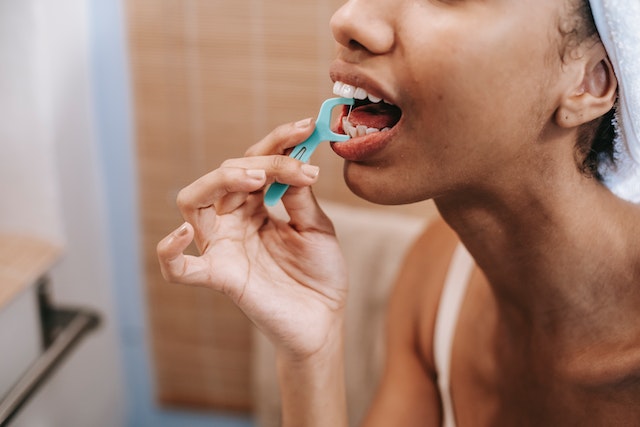
To Floss or Not to Floss?
This is an age-old debate that has been around since the invention of dental floss. Some people swear by it, while others don’t think it’s all that necessary. The truth lies somewhere in the middle – flossing isn’t absolutely essential for keeping your teeth and gums healthy, but it can be highly beneficial if done regularly and correctly. Professional dental hygienists recommend flossing at least once a day to help remove food particles and plaque buildup, which can lead to tooth decay and gum disease.

How Often Is Too Often for Brushing Teeth?
The general consensus is that you should brush your teeth twice a day – once in the morning and once before bedtime. However, some people may think that brushing more than twice a day is overkill and can cause more harm than good. Professional dental hygienists recommend brushing your teeth at least twice a day, but if you feel you need to do it more often, go for it! Just make sure to use a soft-bristled toothbrush since hard bristles can be too abrasive and damage your enamel.
Are Electric Toothbrushes That Effective?
Electric toothbrushes are becoming more and more popular, but is their effectiveness really worth the price tag? The answer is yes. Electric toothbrushes are great for removing plaque buildup due to their oscillating bristles. Plus, they make it easier to brush every surface of your teeth – something that’s often hard to do when you’re using a manual brush. Professional dental hygienists suggest using an electric toothbrush to optimize your oral hygiene routine.
Do We Need Oral Rinse?
Oral rinses are another hygiene topic that has sparked debate for years. Some people think they’re unnecessary, while others rely on them as a part of their daily oral care routine. The truth is that there’s no one-size-fits-all answer. Professional dental hygienists suggest using an oral rinse if you have problems with bad breath, cavities, or gum disease. However, if your mouth is generally healthy and you don’t have any specific issues, then using an oral rinse may not be necessary.
Overall, these never-ending debates should not affect how you care for your oral health. Different habits are appropriate depending on the person’s lifestyle and oral health needs. However, professional dental hygienists suggest brushing your teeth twice a day, flossing at least once a day, and using an electric toothbrush if possible. As always, do what’s best for you and your oral health needs.…
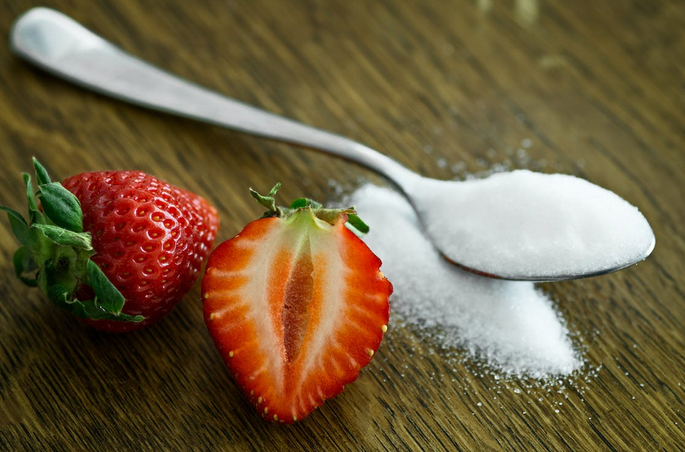

 People might think that when stressed out, the best coping mechanism is to reach for something sweet, like tons of candy bars or maybe a day full of chocolate muffins. But this could actually worsen your mood in the long run, as research has shown that excessive sugar consumption can lead to increased levels of depression and anxiety. This is thought to be caused by the effect of sugar on neurotransmitter pathways, leading to an imbalance in brain chemistry.